
Beyond Buffering: The Rise of Interactive Video and Actionable Metrics in 2026 Marketing
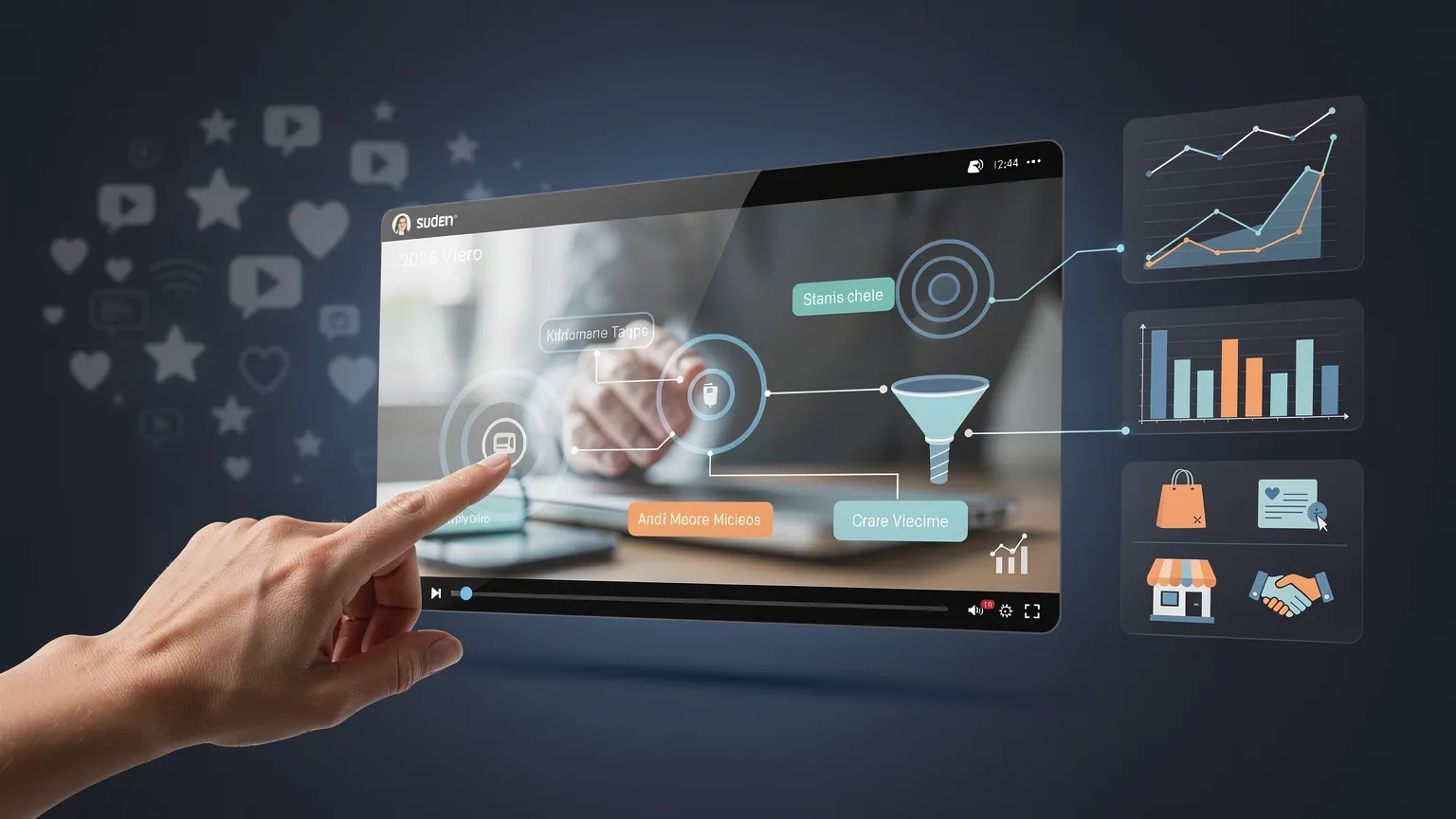
In 2026, video marketing is no longer a passive experience. Brands are increasingly investing in interactive content that demands user participation, driving deeper engagement. Simultaneously, marketing departments are shifting focus from vanity metrics to actionable Key Performance Indicators (KPIs) that directly tie into business objectives, signaling a more sophisticated approach to measuring marketing success.
The digital marketing landscape of 2026 is defined by engagement and impact. At its core, video has cemented its position as the dominant content format, a trend amplified by ubiquitous mobile access, the explosive growth of social media, and the continued rise of streaming platforms. However, the nature of video consumption is undergoing a profound transformation.
From Passive Viewing to Active Participation
The most significant evolution in video marketing is the pivot from passive consumption to interactive experiences. This means content where users aren't just watching, but actively influencing the narrative, accessing personalized information, or making decisions directly within the video player itself. Think clickable elements, branching storylines, or embedded calls-to-action that transform viewers into active participants.
This shift is not merely theoretical. Research indicates that over 90% of companies now incorporate video into their marketing strategies. Crucially, interactive content is proving its worth by generating up to twice the engagement of its static counterparts. This escalating demand for dynamic content necessitates a new breed of marketing technologies capable of producing, distributing, personalizing, and thoroughly analyzing these sophisticated video and interactive assets.

Redefining Success: Actionable KPIs for 2026
Parallel to the evolution of content formats, the way marketing success is measured is also being redefined. In 2026, the focus for social media KPIs is firmly on actionable metrics that align with concrete business objectives, moving away from superficial vanity metrics like raw follower counts or simple 'likes'.
Key Performance Indicators for Brand Awareness and Community Health
For building brand awareness, metrics like Reach (the number of unique users who saw content), Share of Voice (SOV) (a brand's presence in industry conversations relative to competitors), and Qualified Audience Growth are paramount. These indicators provide a clearer picture of how effectively a brand is reaching its target audience and establishing its presence.
When it comes to nurturing a community, the emphasis shifts to Engagement Rate (measured both by reach and by followers), Save Rate (a strong indicator of content value, especially on platforms like Instagram), and Video Completion Rate. A high Hook Rate—the percentage of viewers who watch beyond the critical first three seconds—is also a vital indicator of a video's ability to capture immediate attention in a crowded digital space. These metrics offer deeper insights into audience connection and content resonance.

Tools for Measurement
To effectively track these crucial metrics, marketing departments are leveraging a range of tools. These include native platform insights (like Instagram Insights and YouTube Studio) as well as specialized social media analytics platforms such as Metricool, Hootsuite Analytics, Brandwatch, Talkwalker, Sprout Social, and Agorapulse. The ability to accurately measure and interpret these KPIs is essential for demonstrating ROI and optimizing future campaigns.
Navigating the Interactive Content Ecosystem
Producing and managing interactive video content requires a strategic approach and the right technological infrastructure. Brands must consider the entire lifecycle of their content, from initial creation and distribution to personalization and in-depth performance analysis. The ability to adapt content on the fly and understand user interaction patterns is becoming a competitive advantage.
While the trends are clear, uncertainties remain. The exact market leaders in specialized interactive video platforms for 2026 are still solidifying, and the specific methodologies for calculating certain advanced interactive metrics can vary by platform. Nonetheless, the direction is undeniable: marketing in 2026 is about creating engaging, interactive experiences and meticulously measuring their real-world impact on business goals.