
The Invisible Hand: How Dynamic Pricing is Reshaping Retail and Your Wallet
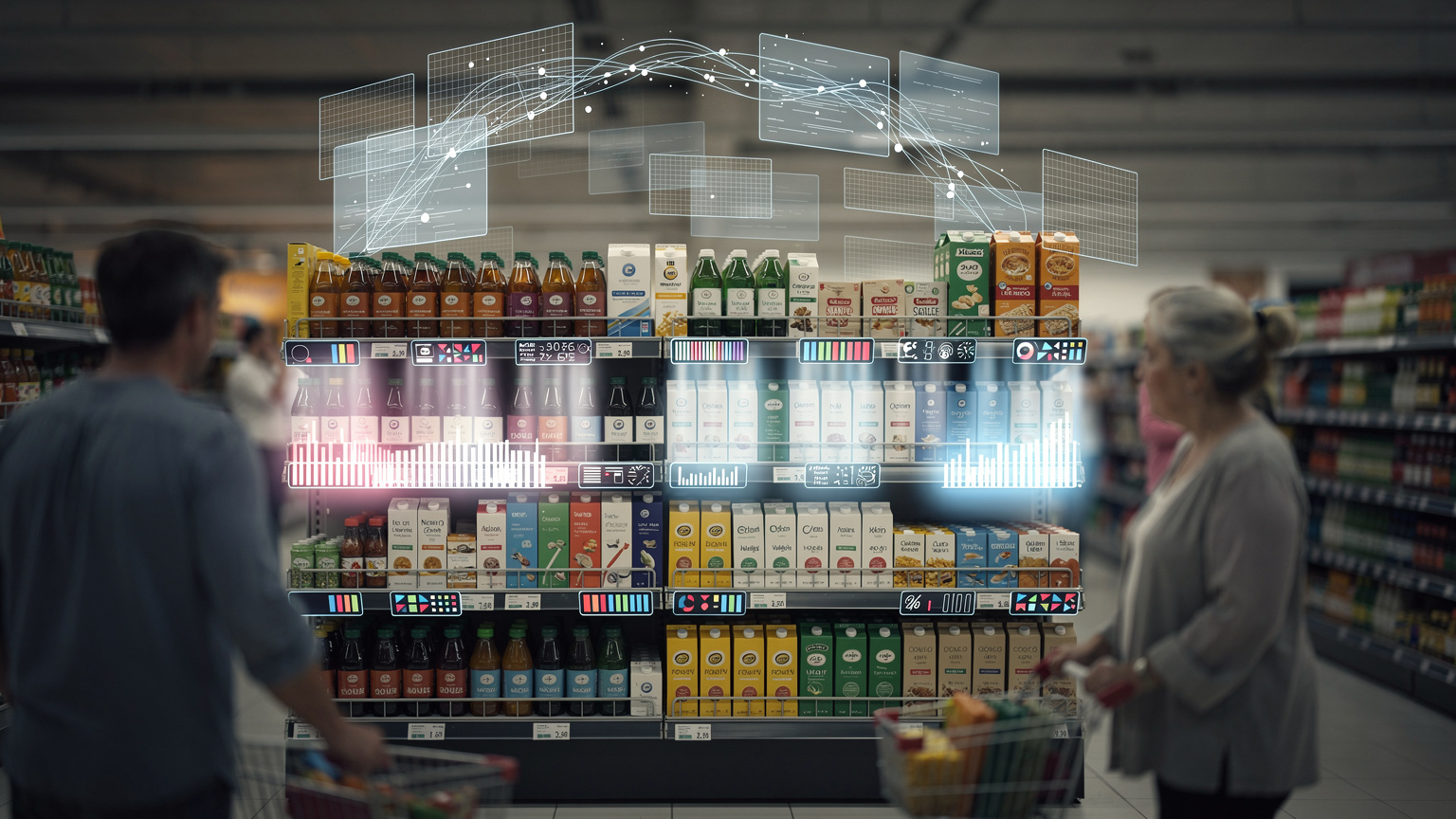
From airline tickets to everyday groceries, prices are no longer static. Dynamic pricing, powered by Big Data and AI, allows retailers to adjust costs in real-time based on demand, customer behavior, and even your personal profile. While this can lead to efficiency and waste reduction, it also raises significant questions about fairness and consumer trust.
The concept of a fixed price, a cornerstone of commerce since the mid-19th century, is rapidly becoming a relic of the past. In its place, a sophisticated and often invisible system known as dynamic pricing is taking hold, transforming how businesses operate and how consumers shop.
At its core, dynamic pricing is a commercial strategy that involves continuously adjusting prices in response to a multitude of factors, including real-time supply and demand, competitor pricing, customer behavior, and individual consumer profiles. This evolution from earlier revenue management techniques, pioneered by airlines and the hospitality industry, is now a pervasive force in e-commerce and increasingly making its way into physical retail.
The Engine Behind the Price Shifts: Big Data and AI
The ability to implement dynamic pricing on an industrial scale is largely thanks to advancements in computing power and the explosion of Big Data. These technologies allow businesses to process vast amounts of information in real-time, enabling them to make millions of price adjustments daily. For instance, Amazon famously changes prices up to 2 million times a day, demonstrating the sheer scale and speed at which this strategy can operate.
This data-driven approach extends to understanding individual consumers. Retailers can leverage data brokers and internal systems to gather up to 1,500 individual variables about a customer. This allows for highly personalized pricing, where the same product or service can have significantly different prices for different individuals, sometimes varying by 20-30% or more, based on their perceived willingness to pay.
Evolution from Fixed Prices
The idea of fixed prices was a revolutionary concept itself, popularized by figures like John Wanamaker in the 1860s. Dynamic pricing represents a fundamental shift away from this model, towards a more fluid and individualized pricing landscape.
Real-World Impacts: From Waste Reduction to Price Surprises
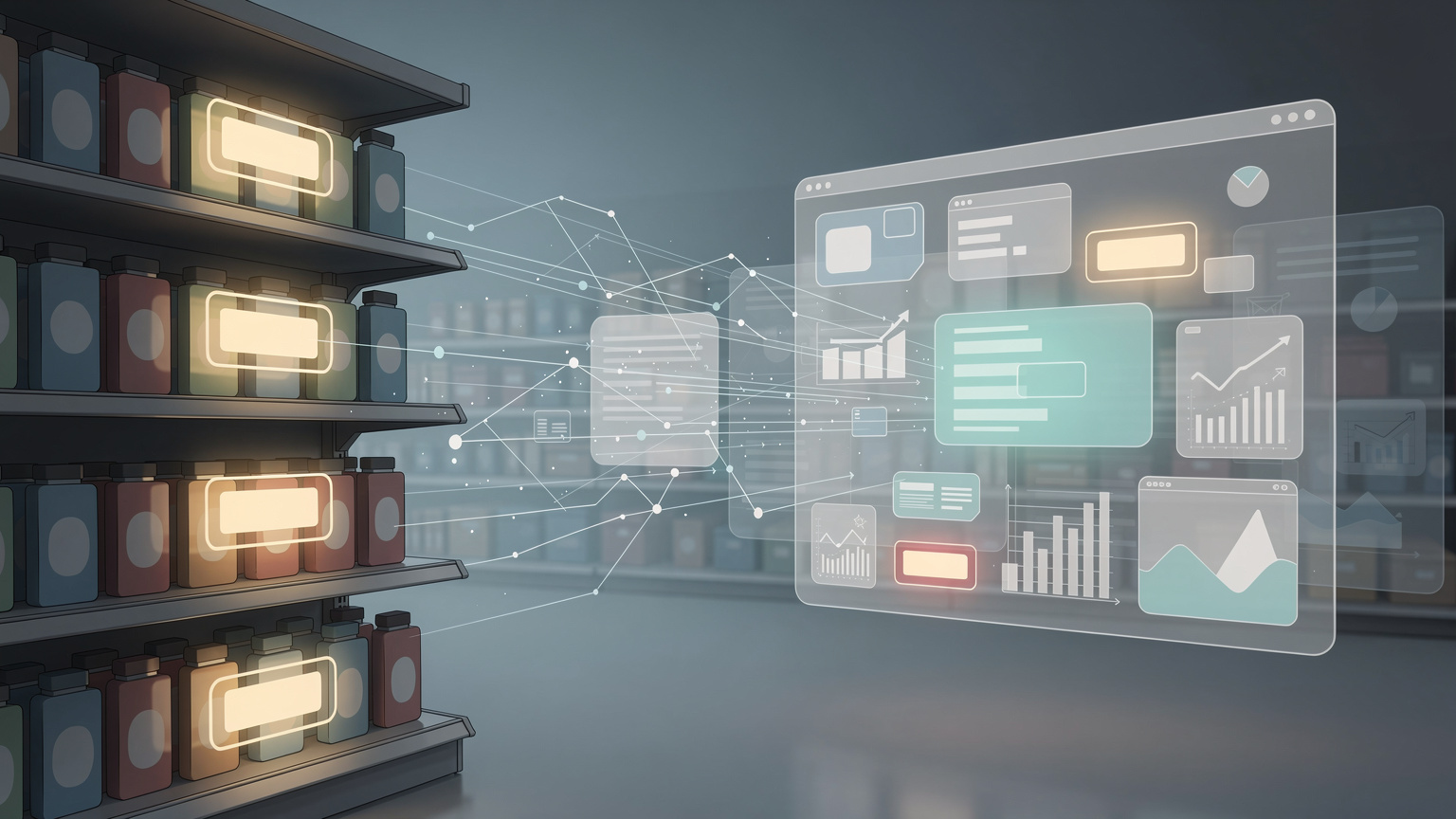
The implications of dynamic pricing are far-reaching, offering both significant benefits for businesses and potential challenges for consumers.
One of the most lauded benefits is the reduction of waste, particularly in the food retail sector. By adjusting prices of perishable goods as they approach their expiration dates, retailers can incentivize purchases and minimize spoilage. Studies suggest dynamic pricing can reduce food waste by as much as 30%.
For distributors, the gains can be substantial, with potential revenue and profit increases of around 2.5%. However, this efficiency comes with a caveat: the potential for extreme price fluctuations. During periods of exceptional demand, such as during metro strikes or holidays, prices can surge dramatically. Uber, for example, has seen prices increase by 300% to 400% during peak demand events. Similarly, accommodation platforms like Expedia can see over 1,000 price variations for a single room daily.
In physical stores, the adoption of electronic shelf labels (ESLs) is a key enabler of dynamic pricing. These digital displays allow for rapid price changes, facilitating strategies like higher Sunday prices in some French hypermarkets, where prices can increase by an average of 15% on Sundays compared to Saturdays. Norwegian retailer REMA 1000 has been observed adjusting prices up to 100 times daily for fresh products.
The Personalization Paradox
While dynamic pricing can optimize inventory and reduce waste, the extreme personalization raises ethical concerns. When prices vary significantly based on a user's profile and data, it can lead to a feeling of unfairness among consumers.
Navigating the Dynamic Pricing Landscape
Understanding and adapting to this evolving pricing environment is crucial for consumers.
How Prices Are Determined
Prices are influenced by a complex interplay of factors:
- Demand and Supply: Real-time market conditions.
- Competitor Pricing: Monitoring and reacting to rivals' prices.
- Customer Behavior: Past purchase history, browsing patterns, and engagement.
- Customer Profile: Demographic data, location, device used, and even perceived loyalty.
- Time: Day of the week, time of day, and seasonality.
Practical Considerations for Consumers
While algorithms are often opaque, consumers can take steps to mitigate potential price discrepancies:
- Compare Prices: Utilize price comparison websites and browser extensions, though be aware these may not always capture the most personalized prices.
- Clear Cookies and Cache: Sometimes, returning visitors might be shown higher prices. Clearing browser data can occasionally reset this.
- Use Incognito/Private Browsing: Similar to clearing cookies, this can sometimes prevent sites from recognizing your specific browsing history.
- Be Aware of Peak Times: Avoid purchasing high-demand items or services during known peak hours or events.
- Monitor Loyalty Programs: Retailers may offer better pricing or discounts through their loyalty programs, which can counteract some dynamic adjustments.
Limitations and Future Outlook
The sophistication of dynamic pricing technology means that smaller businesses may struggle to implement it, concentrating its power among larger platforms. Furthermore, the long-term impact on consumer trust remains an open question. As pricing becomes more personalized and less transparent, consumers may grow increasingly wary, potentially leading to a backlash or calls for greater regulation.
The shift from fixed prices to dynamic, often personalized, pricing marks a profound change in the retail landscape. While it offers undeniable efficiencies and potential cost savings through waste reduction, it also necessitates a more informed and vigilant consumer.